A Radio Drama is a broadcast on the radio, and is produced on Audio Media such as tape/ CD. You cant see it, only listen to it as the drama depends on the dialogue, music and sound effects. This is because it helps the listeners to imagine the story and characters in it.
On Radio 4 they have many programs and a few extended versions , it is filled with Comedy, Thriller and Science Fiction.
I’ve heard of them, but i’ve never actually listened to them before, but after listening to some for this project they sound okay and speak on a lot of topics that i like to hear about.
What do you enjoy about the Podcasts mentioned?
how they speak, and the topics they speak about, if its like everyday life advice or advice for like teenagers and adults i find that helpful and interesting to hear about. and to see what information i can take on board to help myself feel better.
What were the subjects?
helping the environment with climate change
to do with the music industry and how to be successful in that industry
mental health
advice/ tips for when you get older
What Elements of the Podcasts do you remember: The Interviews, Conversation, Music,Sound, Effects etc?
Technical Elements:
A Speech:
The manner in which words are spoken
Enunciation,Pitch,Accent,Timbre,Clarity etc
Prevent Popping, Fillers(erm,huh) cussing, being close to the mic
Usually formal language(audience)
Voice track should be equalise post
Music:
Highly important
Sets the Mood,Tone, and Setting of a Scene
Consider the audience
To not be louder than the speech ( background music) unless solo
Sound:
Ambience sounds
Special sound effects (SFX)
3D Perspective( surround system like we are there)
Aural sign posting ( setting the scene: noise,sounds & voices)
Silence:
Dramatic effect
Accentuate a moment
Endings of a scene/sections
Breaks of a dialogue
Gives breathing break
Prevents from switching off
Thinking moment
Narrative(Storytelling)
Linear– Chronological evolution of events
Non-Linear– Builds up argument without timeline
Single Stranded– 1 individual presents/analyses themes and can have temporary guests
Multi-Stranded– 2 and more presenters discuss theme
Narration (Types)
First person– Protagonist tells story, not objective but reflective
Second person– Character speaks directly to the audience breaking the fourth wall
Third person– Omnipotent narrator tells story
Sound Design:
Audio logo- Ident/Aural mixed used its own to identify a product/service
Intro-Musical welcome/Initial credits
Outro- Musical farewell (shorter) the end
Jingle/Bumper- Slogan/ Vocal line set to an engaging melody
Foley- Incidental/Natural sounds to create ambiance
Instrumental-Music track without vocals
Loop-Music track being seamlessly repeated infinitely
Points Of View(POV):
Monologue-Individual presents own views/Thoughts of a theme
Interview- 1:1 Semi structured questions to understand the theme
Vox Populi(Vox Pop)- Structured a few questions asked to different people (thoughts and behavior)
Pane- A group of people discuss the theme
Debate- Discussion with opposing sides moderated by neutral person
Microphones:
Your microphone should be pointing at the source of the sound.
Noise:
Try to record your sounds with little to no background noise, as any processing done to these clips will effect the background noise too.
Timeout:
Control your own breathing, if you need a break indicate the operator, simply give a few seconds after the sound has been recorded.
Wild Sound: a wild sound is a soundtrack recorded other than synchronised with a photo and having sound effects or random dialogue
Room Tone: room tone is when there’s barely audible noises that make up a background sense of quiet
Sound Effect(SFX): sounds other than speech or music that adds excitement and realism
OP: Operator
Utility Sound Technician:
Equipment Maintenance
Mic Placement
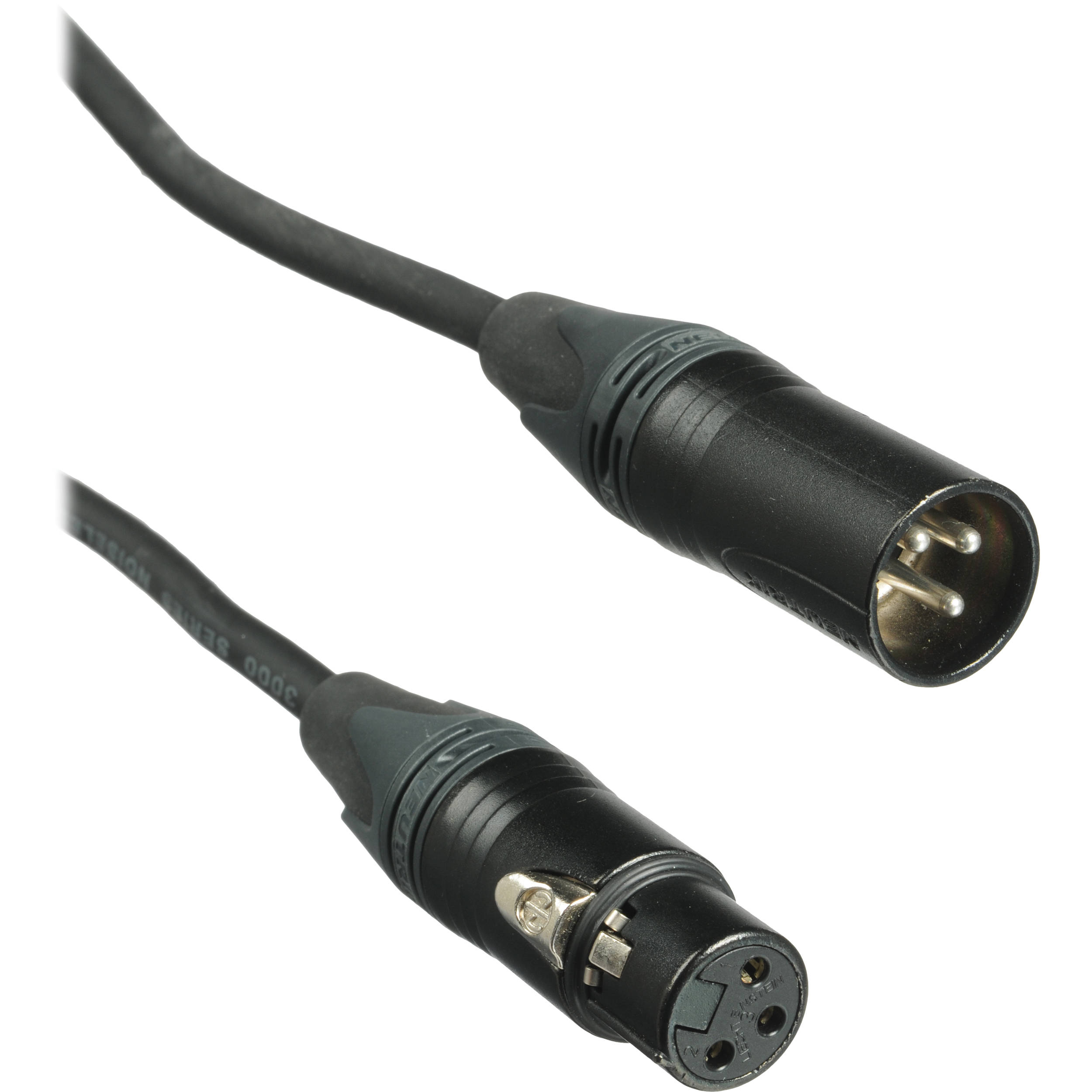
Cable Management
Keeping people quiet
Operating the Boom
Microphones:
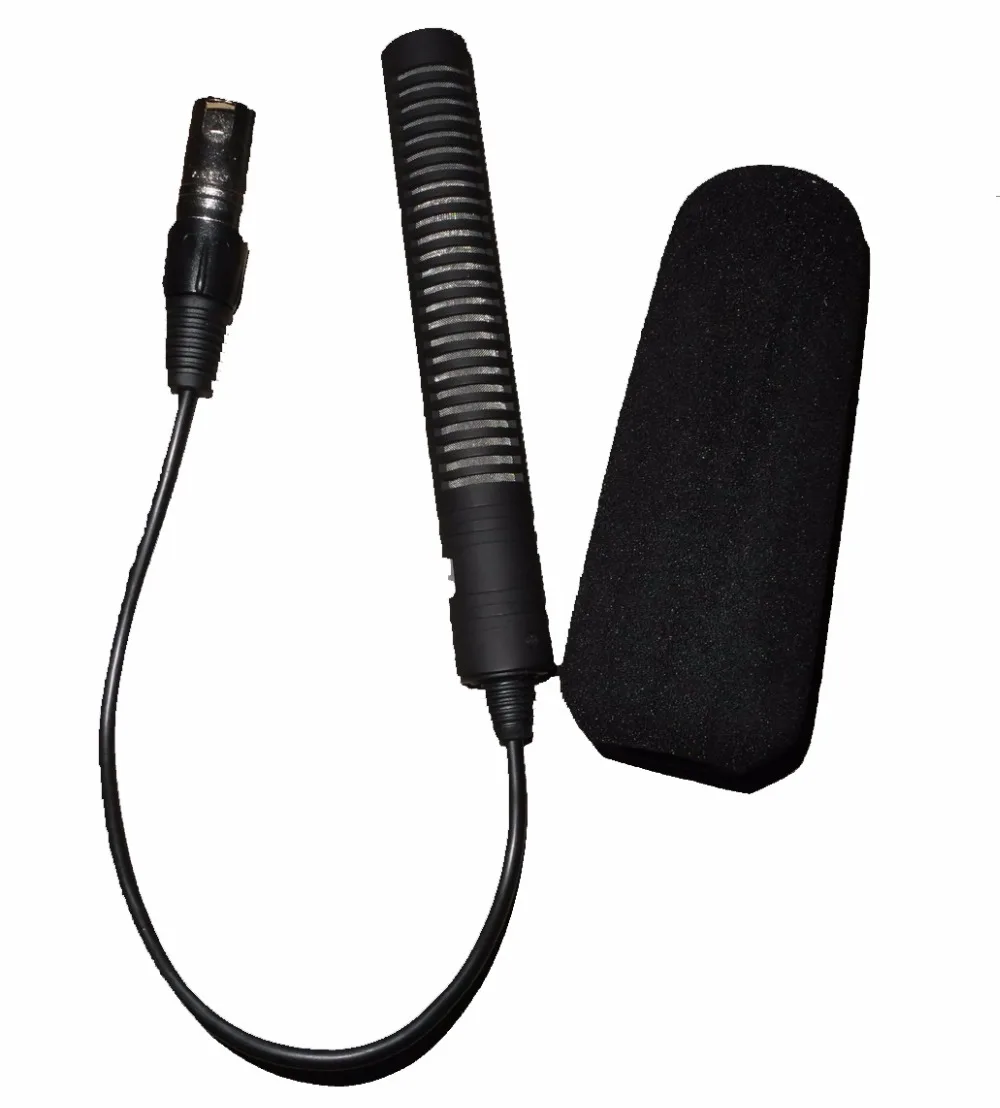
there’s a windscreen
Dead Cat
Dead Kittens
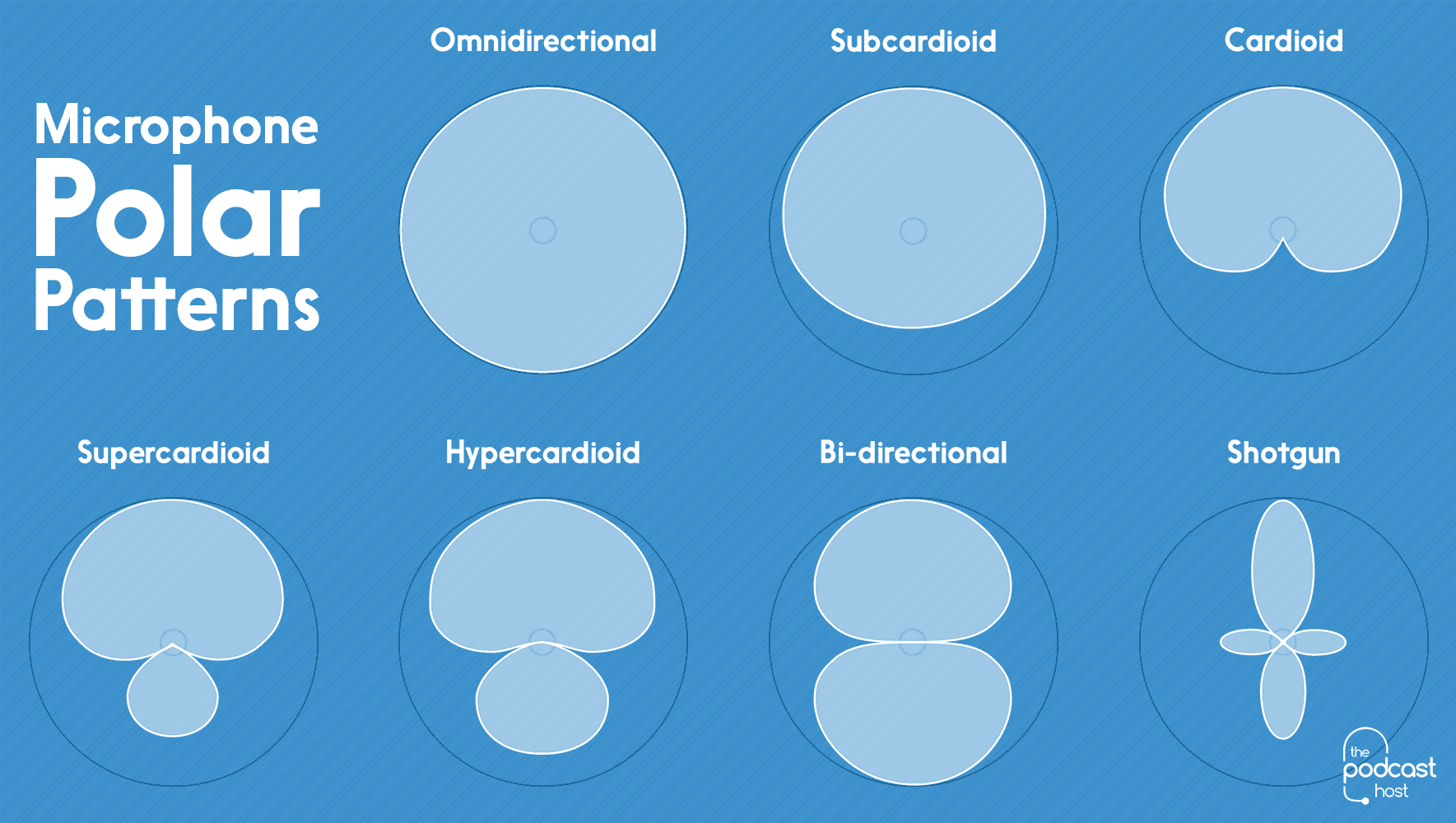
Microphone Patterns:
Have to change mics from scenes and on set only want to hear between 2 people.
The purpose of having good sound is to make the audience feel like they are there, create realistic environments where the story happens. It helps the message in product to be well understood and finally keep the audience engaged and entertained.
Post Production: Before editing anything is sync the sound with the footage during production, must use a clapper board.
To help keep track of media, the scene, shot and take number written on the slate for the camera to see and are called out for the microphone to hear. Make the audio levels spike.
Time Code Sync: Sync is a Gen lock is a beat that calls out when a field occurs, a time code indexes each frame so that it can be identified.
Dialogue Editors: They are a sound editor who synchronises, assembles and edits all the dialogue in a film/television production. They will use the production tracks that the sound was recorded on set. And to repeat the sound to make sure its good.
Sound Designers/Foley Artists
The sound designers create a space that seems real as if you are there, the sound designers will give you a mood or audience. It is very detailed but yet don’t realise, want to make something appealing. Music is the last thing before putting into post production.
ADR: Automated Dialogue Replacement Is the audio originally recorded is not good so retaking a part of the audio.
Equipment:
Types of Microphone:
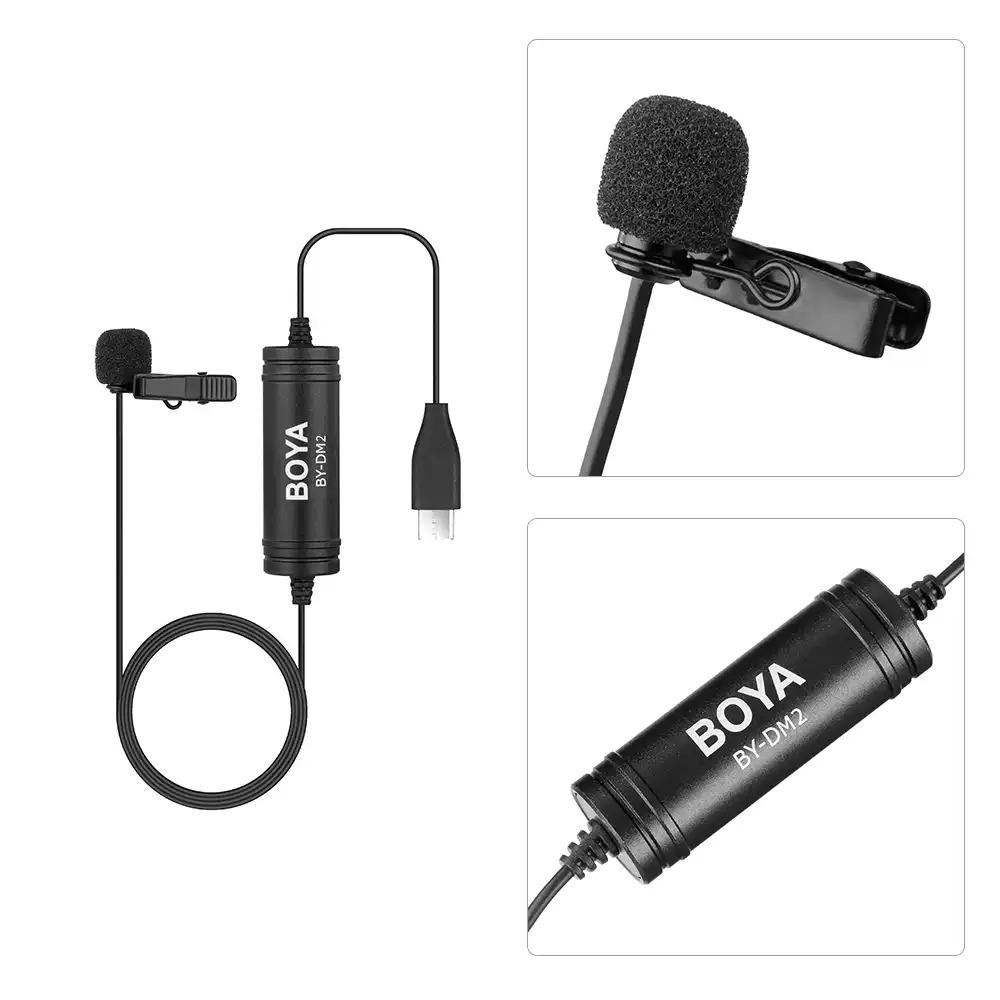
Lavaliere
Uses: In interviews, because they focus on the voice of the speaker and limit the ambient sound. Also be used for short films due to the clear vocals/ chest that are needed. With this type of microphone we need to be careful with the surrounding areas where it rests; this can be anatomical or costume based. Items around the neck and on the chest may interfere with the sound being picked up by the Lavaliere.
clips onto the body/neck
Zoom H1
Interviews, 2 people talk at the same time,and is a sound/ voice recorder that allows us to capture sound/audio from a conversation/interview. This device is helpful in podcasts and Foley sound. If you see the mesh of the microphone= doing it correctly. It has to be facing a little bit downwards and is handheld. Cables and devices to be hidden from the camera so its the responsibility for the crew, specially in short films. The cable must be hidden under the clothes but get them to do it themselves or ask for their consent. Works with common headphones and microphones. 3.5 Jack:
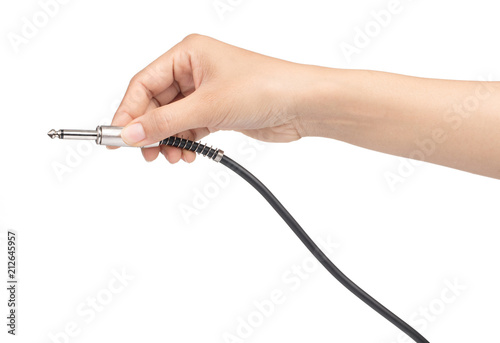
mini jack
Mini Jack may have 1/2/3 lines for audio. 1= mono, 2= stereo, 3=digital
Zoom H4
The Zoom H4 is more than twice than, as expensive as the Zoom H1. Hold with the fingertips.
I like these songs as they are quite relatable and the lyrics to the songs. I also like how the beat goes in the song to which I can like freestyle dance to me without people judging me when i’m alone at home listening to them. And its also good to support smaller artists as well as the big music artists but I have a random taste of songs that I listen to, some are happy and some are sad depending on how I feel on the day.
A Podcast is a audio file that is fully contextable and anyone can listen to it at anytime. A Podcast is an on demand audio content series, you can listen to it wherever at anytime and how you want to listen to a Podcast. As podcasts can be downloaded on apps, websites or speakers.
Foley sound was discovered in 1926 for the Warner Bros film: Don Juan. This film was originally a silent film but had some sort of music added to it in the post production. As sound got added to films the sound effects department had appeared to add this music to their soundtracks.
The name Foley became the actual name in the 1960s, people called it the Foley because of the man Jack Foley who ran the department for over 45 years in universal studios.
Foley sound is is the reproduction of everyday sound effects that are added to films, videos, and other media in post-production to enhance audio quality. These reproduced sounds, named after sound-effects artist JackFoley, can be anything from the swishing of clothing and footsteps to squeaky doors and breaking glass.
Foley sound is broken down into 2 categories : footsteps & props. They are usually custom created for each film so they sound more natural. When an object in the film looks like a piece of metal its more likely to be wood, so as someone hits on the wooden door, they get sounds of metal and add it to the soundtrack to create the illusion.
What’s a Foley stage?
A Foley stage is a specially designed studio with a place that is unique to the world of sound recording for its props. Surfaces also called pits give Foley artists the ability to walk/run/skip on mud/concrete/gravel/wood. Over the years Foley artists have come to realise that mounting the surfaces on the floor is the only way to create a proper natural sound. There are also water pits which are filled with water but also for the water to spill,so it sounds like a river with the water splashing onto tiles.
Who is Jack Foley?
Jack Foley was born in New York in somewhere called Yorkville in 1881, he died on November 9th 1967. Jack Foley was the developer of many sound effect techniques used in his film making. He was credited for making unique methods on creating sound effects live and in time with the pictures during films post production.





 My Audio & Video Blog