The meaning of the snow globe in the film is when Susie was younger she felt for the penguin in the snow globe. As she felt the penguin was all alone and sad whenever she played with the globe, but her dad just told her that the penguin was stuck in a “perfect world”. Susie relives this moment when she’s in heaven, as it reminds her how she’s like the penguin trapped in a “perfect world”.
How does the time pass by and how do we know?
In the film we can see that time passes by, by the flashbacks Susie and other people in the story have. The memories that were made back then, we know that she’s having flashbacks by how the screen turns white or black and cuts to a short scene. Then goes to another scene, and goes to a black or white screen after that and; how it does it repeatedly.
How is the father and daughter relationship shown?
The father daughter relationship from seeing the film shows that their relationship was strong and special, and was also unique, comparing it to the other children. This is because from the film, the daughter that died was into stuff her dad was into as well. When she died, the father had a lot of emotions for her and questions to ask,he might’ve blamed himself because he didn’t see the signs that clearly. So now that one of his daughters has gone, he’s annoyed at himself for not seeing it sooner of the killer being down the road; where the killers house was extremely clean etc.
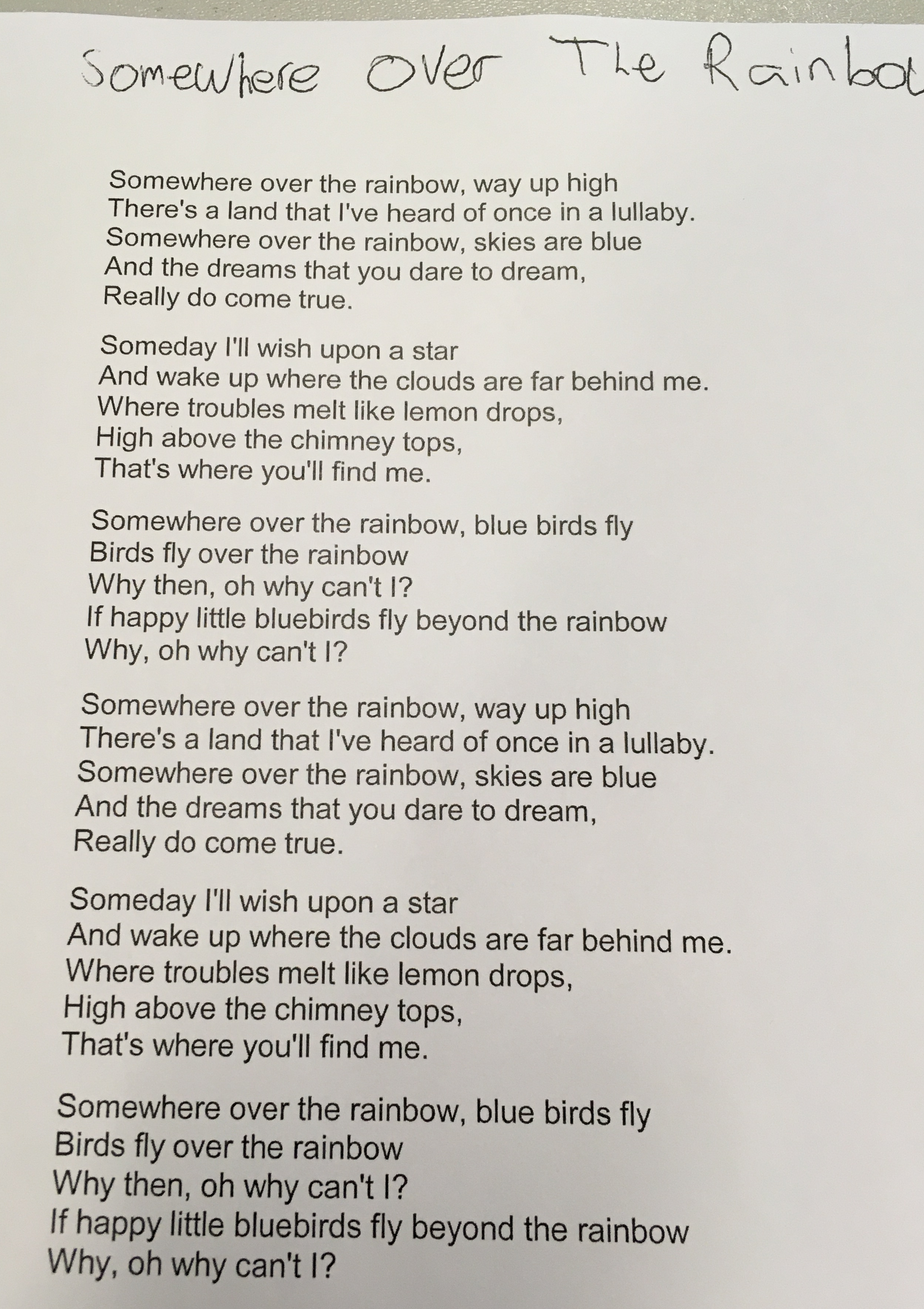
Our song is called the Somewhere Over The Rainbow for our group project for video.
Research song
Covers
Get the lyrics
Identify possibilities for:
Semiotics
Mise en scene
Narrative
5 covers:
Somewhere Over The Rainbow lyrics:
Video Sequence:
No performance needed
Have a message in it
Composition
Semiotics
Mise En Scene
Somewhere Over The Rainbow Song Research:
What is the message behind this song?
The song lyrics was written by Isidore Hochberg, he grew up in a Jewish orthodox home in New York. The music was written by Harold Aren,who was also a Jew but immigrated from Lithuania. Together they both produced this song and to which they won an Oscar’s award for in the 1940s for the best music original song. The song was voted for number 1 by the recording industry association of America.
The song was published in 1939 and at that time was when Jews from Europe when their freedoms were being taken away, their identity destroyed.Many, many people feeling isolated as if they felt like they were trapped.
The song is about hope and the bad times that will soon be over, this is the song that helped the Jews while in the Holocaust. When it says “Chimney Tops” Isidore wrote that because of the horrors from the Holocaust. The lyrics “there’s a land that i’ve heard of once in a lullaby” these lyrics are meaning that the Jews dreamt of a homeland for their people. But their dream was fulfilled in 1948 when the nation of Israel was reborn. “Dreams that you dare to dream really do come true” meaning that Israel was a testament to the Jewish people.
Judy Garland and Tom Dorsey did a special recording of the song somewhere over the rainbow.
This is my evaluation for the 3rd project which is Audio and i’ll be evaluating my project, and telling how it went.
Firstly I was in a group and we did some planning of what topic to do for our Podcast, and we all agreed to do Mental Health, as it needs to be mentioned more into the world ;since a small portion of it is in the world. We split into doing different jobs after knowing what topic we were going to do, I went to research everything into Mental Health and ask questions. I also asked on my social media if people had questions for me so I could gather more information, to which people did. So I could it add it for my blog, my friend Adam went into writing the script. He got Mia to write up the script, and Macey to find some music that could be added into the background of this Podcast.
After researching the topic Mental Health and the questions, Adam helped me learn some of the software Adobe Audition that he had self taught himself before our teacher had taught the class, by learning this our group was ahead of other people.
Secondly we started recording, and I searched up Foley sound effects that we could use for it or similar ones for the Intro and Outro. We added the sound of leaves rustling and I thought we could add some rain , so it made it seem tense to the listeners for the Podcast. We started to record for the interview and had to cut some bits off the speaking cause it was mumbled or there was other background noises. As the media room was busy with other people, we went around the college to find other places that were quieter. Also we used a maths teacher with her consent that she wanted to be apart of it, and she was the teachers voice for our Podcast. That is kind of like a short story but has a small interview, in it between the intro and outro of the Podcast.
After recording the interviews and other sound effects we could use, Adam was starting to put all the recordings together as he was best at that. While me and the others were doing our blog work and doing other things for the project. As we wanted this project to be really good and get it finished early. As for time management, we started off really well because, we had ideas but editing the Podcast got longer as we still had to record some things or edit the Podcast. But there would be technical issues with the computers or softwares which was a let down. For time management we managed to complete this project just in time; and today we edited it some more and have put the video up on YouTube for the public to see. I also put the link in a blog post, and the blog post is called ‘Final Product’.
The things that went wrong was:
Time Management towards the end
The technology failing to work
Not finding very quiet places to film as there was always something going on in the background
Editing some of the Podcast
weren’t able to add some small scenes
What to do next time?
More focused
Communication needed to be better
Booking equipment when needed
Recording sooner rather than later
Conclusion:
On the whole of the project i’d say this project went very well and better than my Graphic Design and Photography projects, I think this is because in groups you can finish things quicker with other people doing different things .But doing the projects on yourself it takes longer because; there is so many things to complete all at once, and it just builds up. I also did enjoy this project, I tested out some of the equipment used for recordings which was the Zoom H1, and just recorded different things around the college that were unique and hard to identify what it was.
So this is our final product of the Audio project, it is on YouTube and is public for people to see, I just copied the link to put in my blog. I did this project with Mia, Adam and Macey, and it was quite fun.
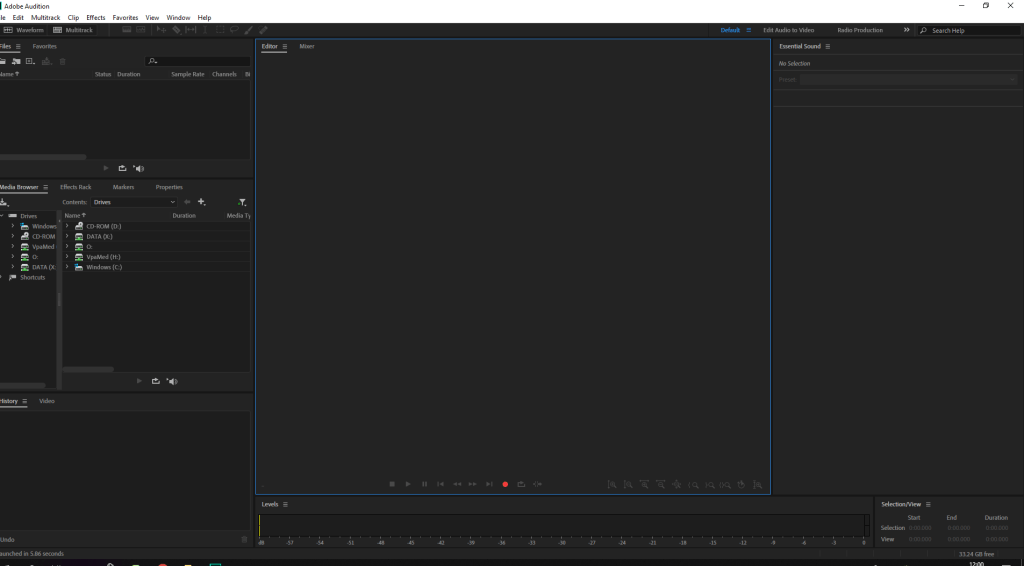
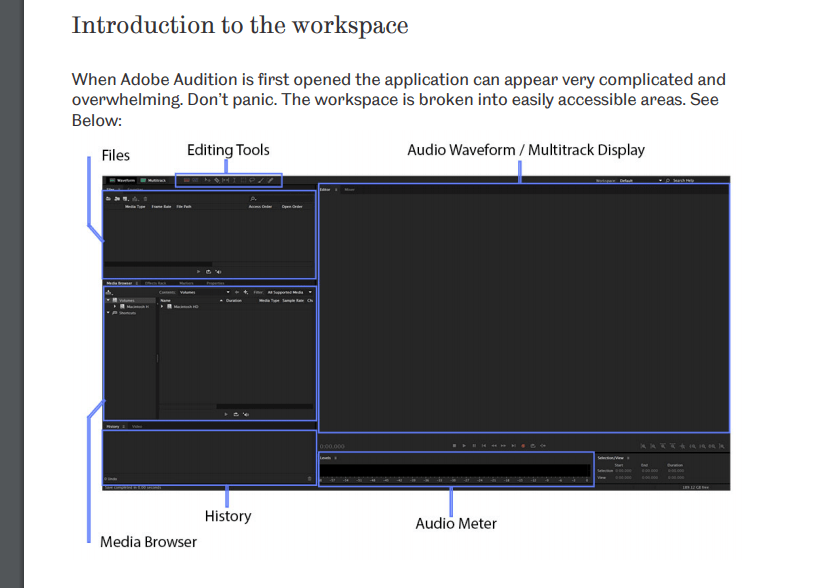
So this is the Introduction to Adobe Audition and below is all the steps for everything in this software, from editing the video to exporting it.
To Import: Control I
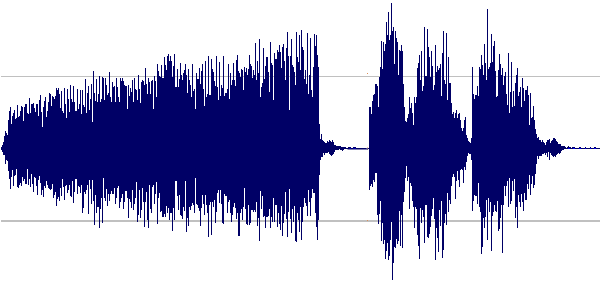
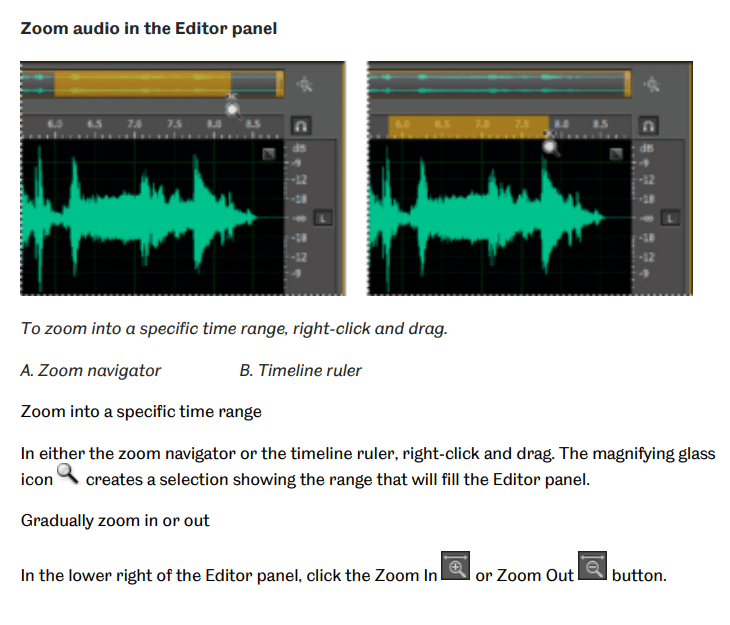
This is a Wave Form:
The high spikes will be really high.
C= eraser tool
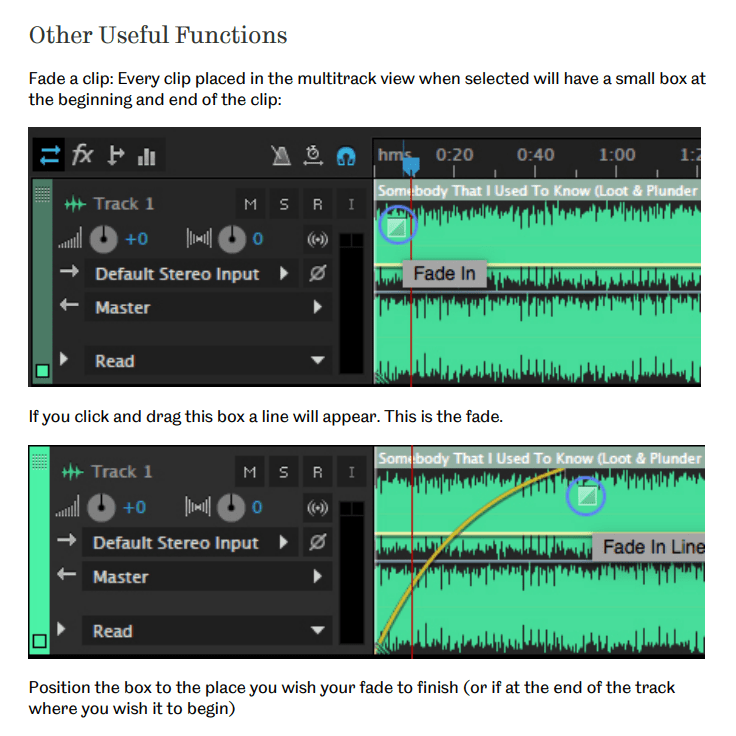
Using the Fade in/out
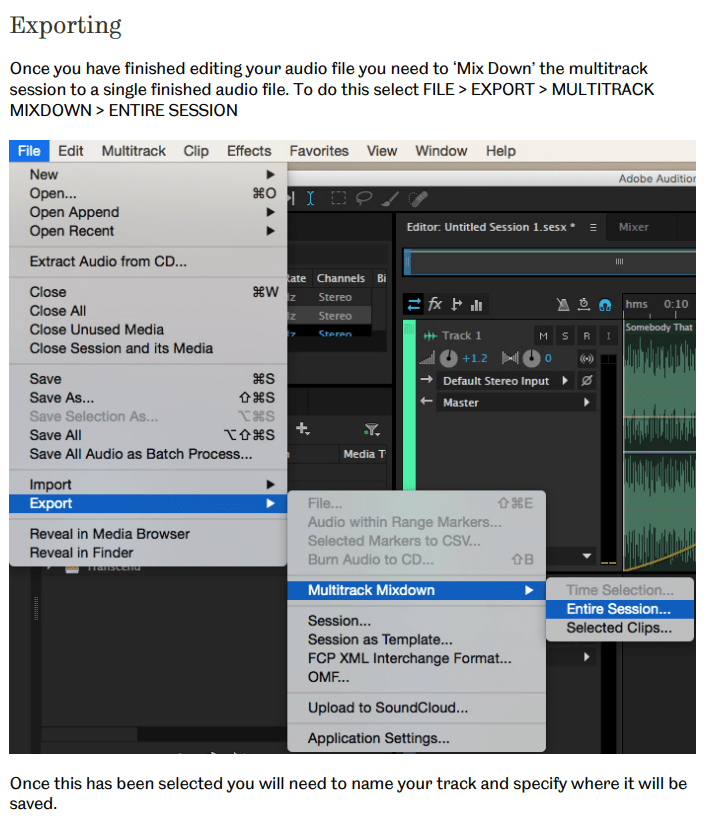
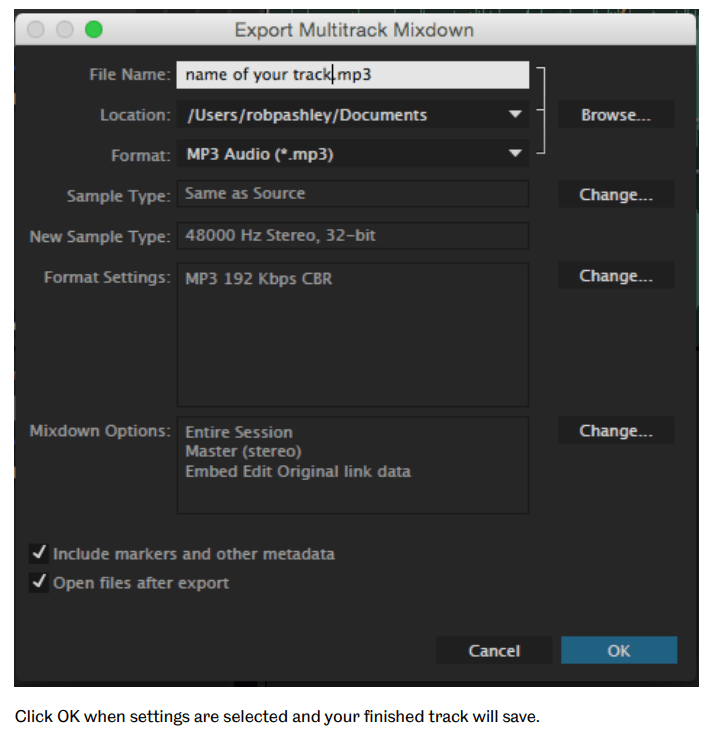
Exporting:
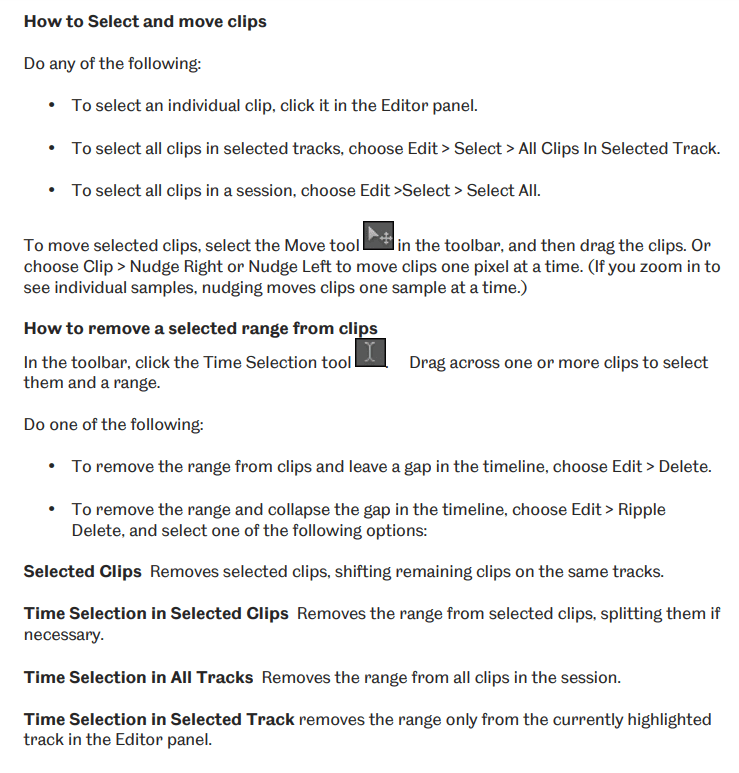
Editing Tools:
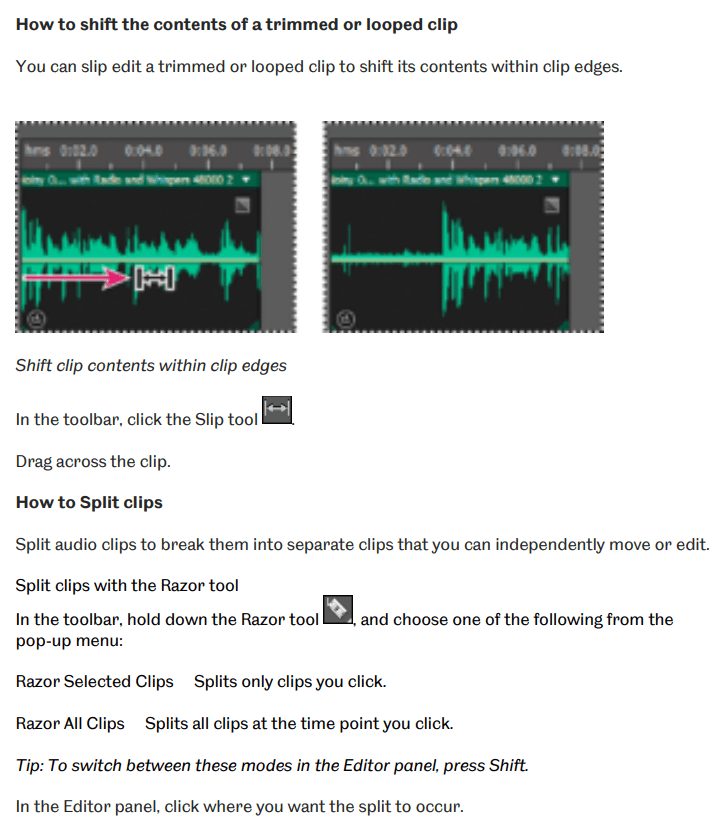
How to Split Clips:
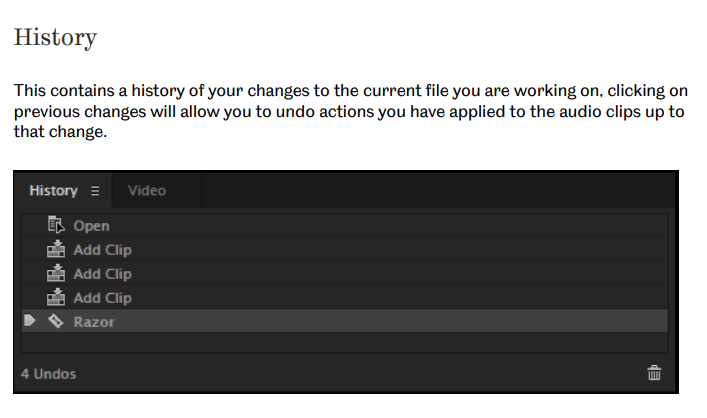
History:
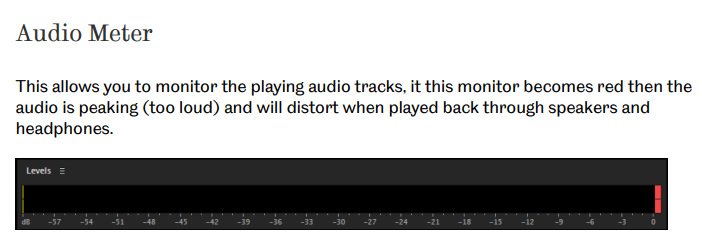
Audio Meter:
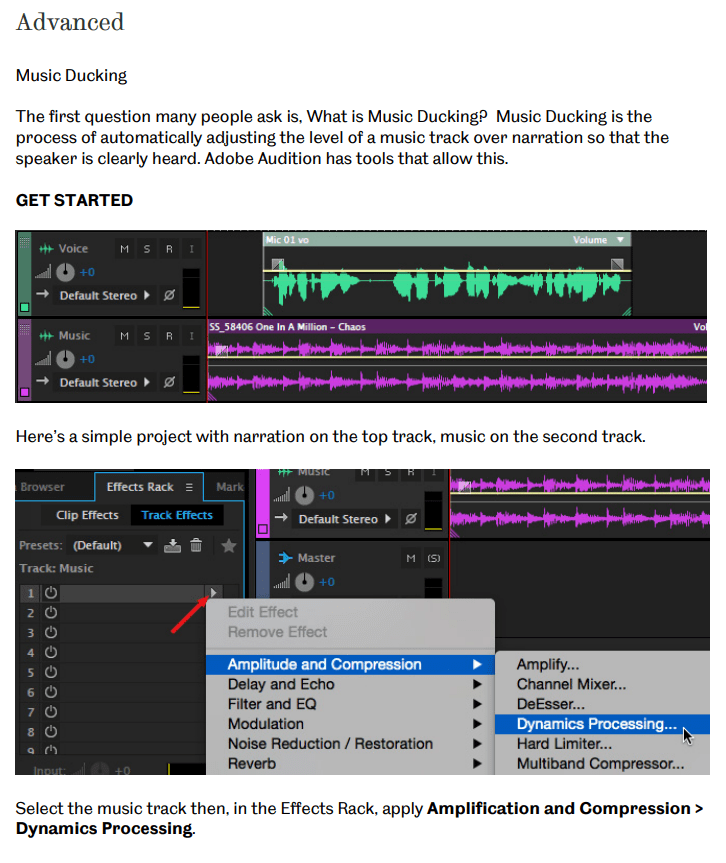
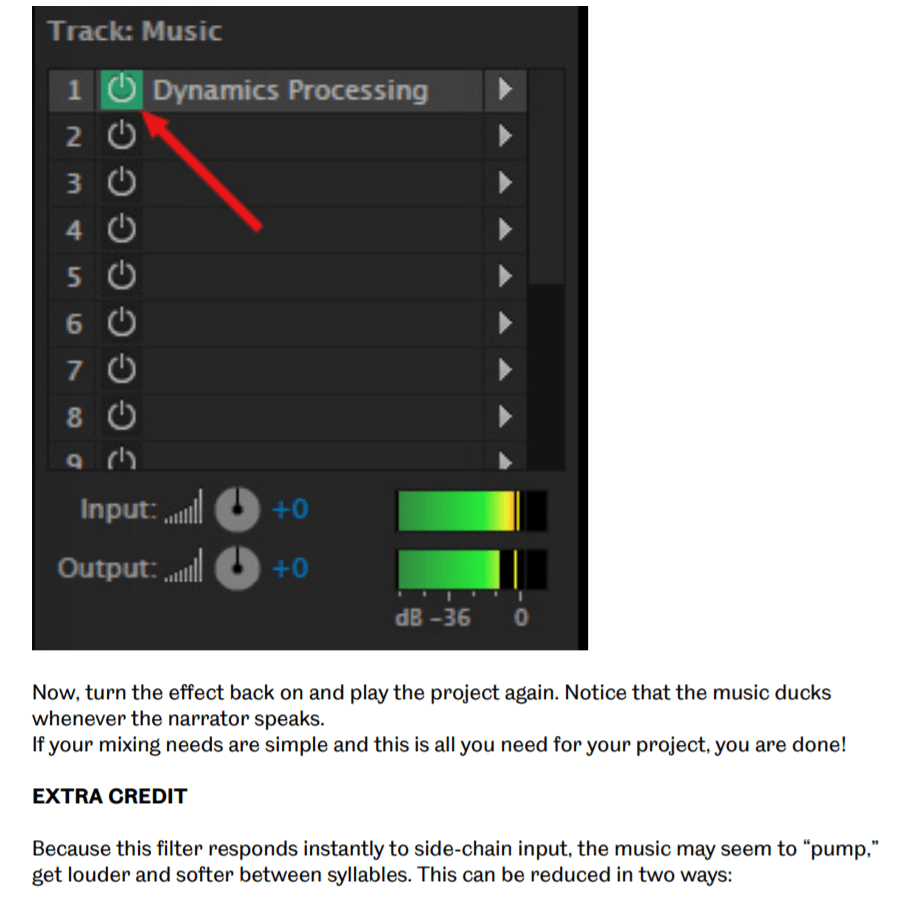
How to edit a Podcast in Adobe Audition:
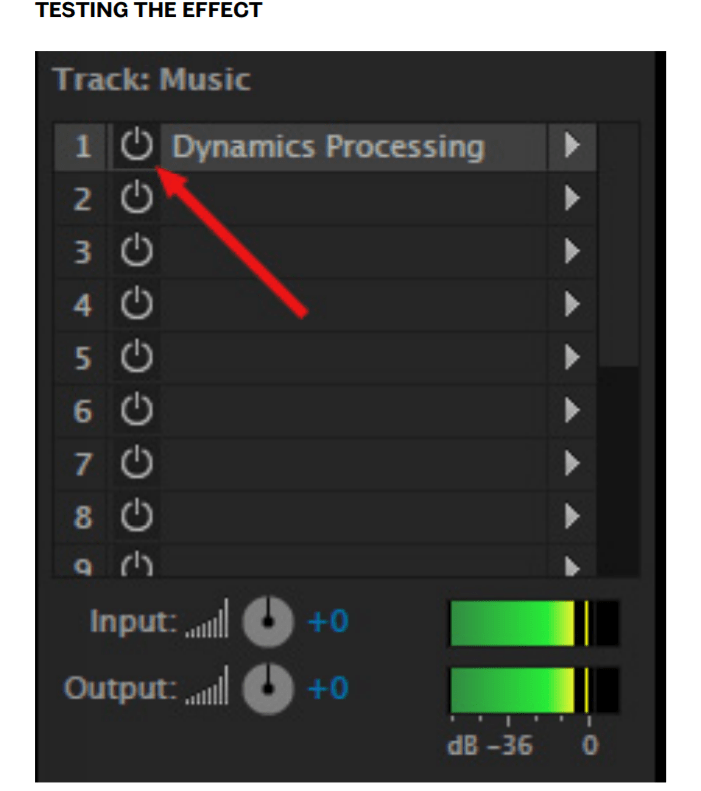
Testing the Effect:
Select the music track
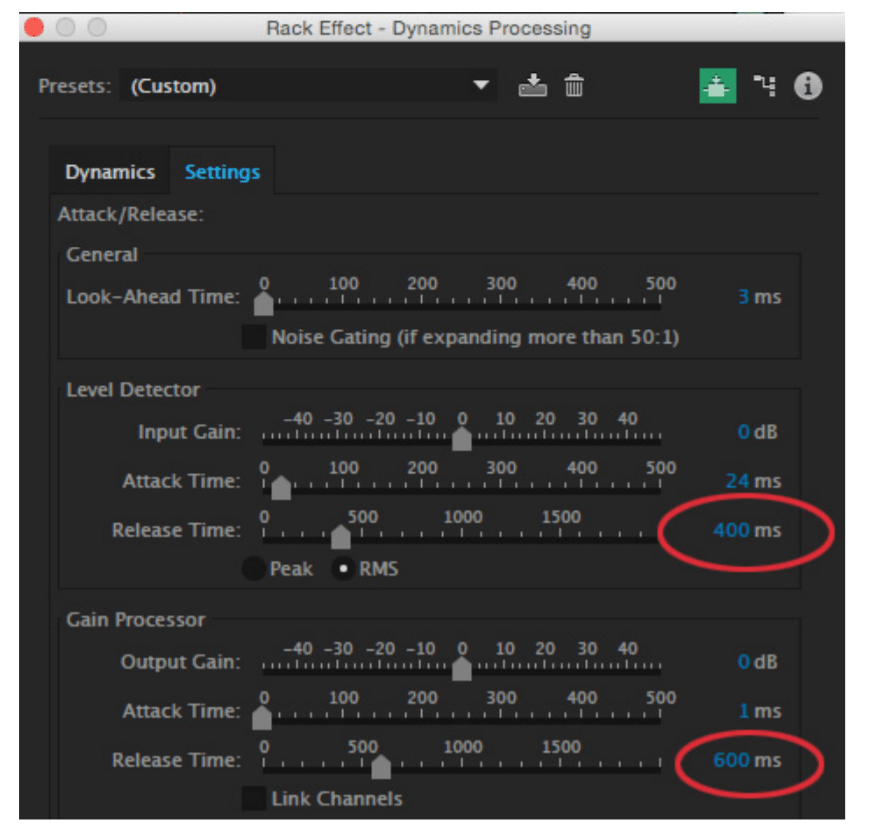
Double click the name of the dynamics processing filter in the effects back to open the interface
Click the settings tab at the top
Change the level detector – release the time to 400 ms
Change the gain processor and release the time to 600 ms
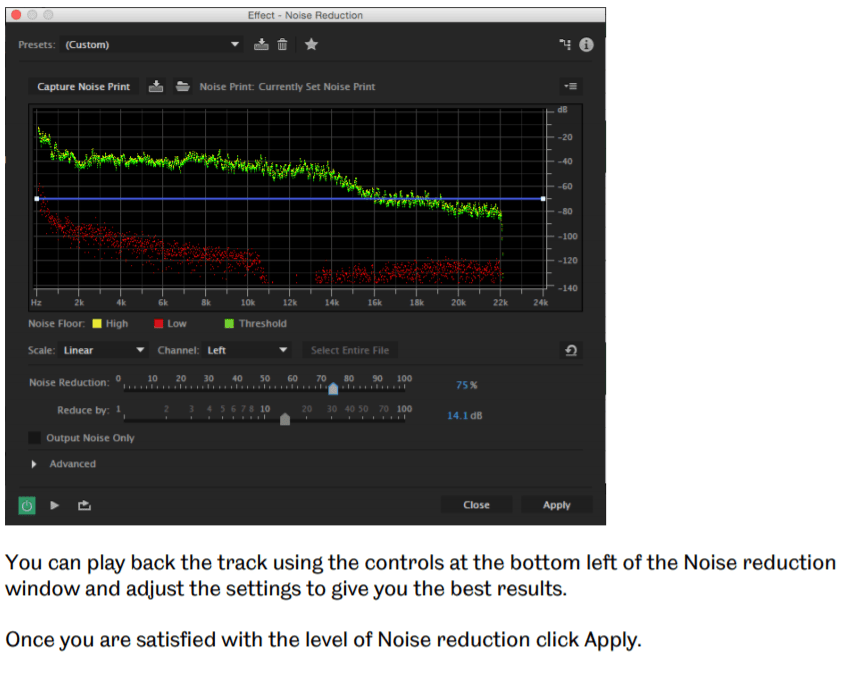
Noise Reduction Effect (Waveform Editor only)
Woods Scene 1 – Intro
The woods intro to our Podcast, we put this at the start since its the start of our Podcast. Also because it gives the listeners tension, and what will happen next before going into our interview.
The Interview:
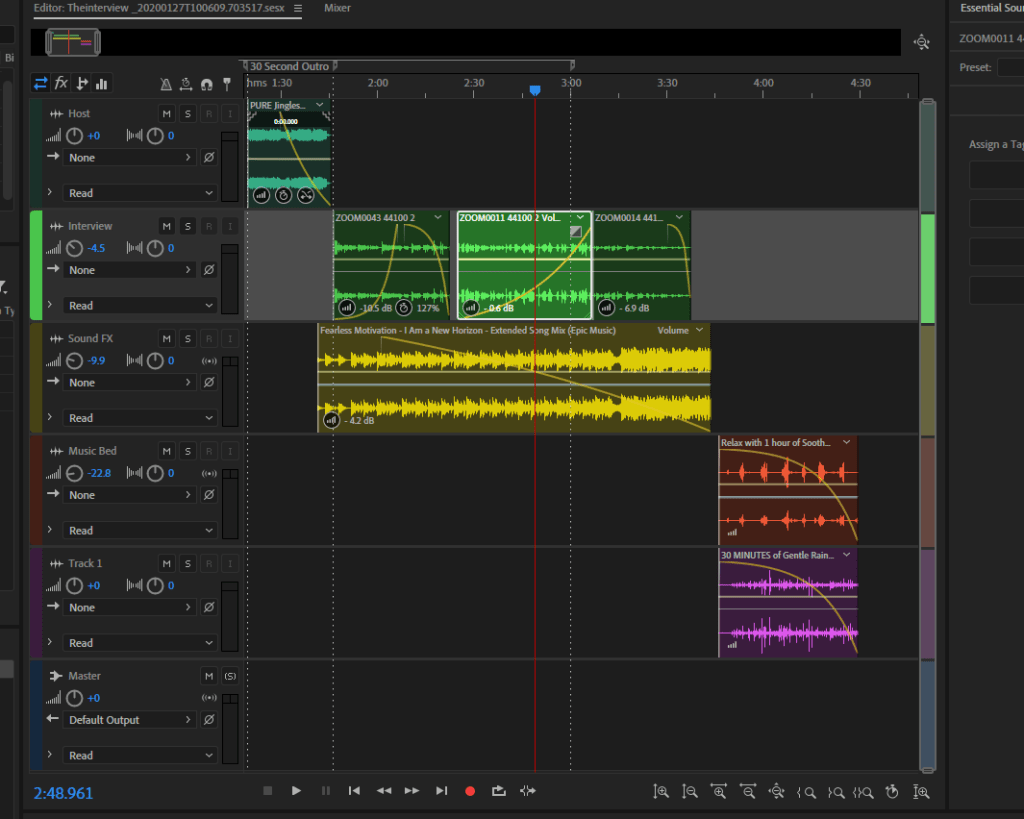
The interview part to our Podcast that we’ve all been editing.
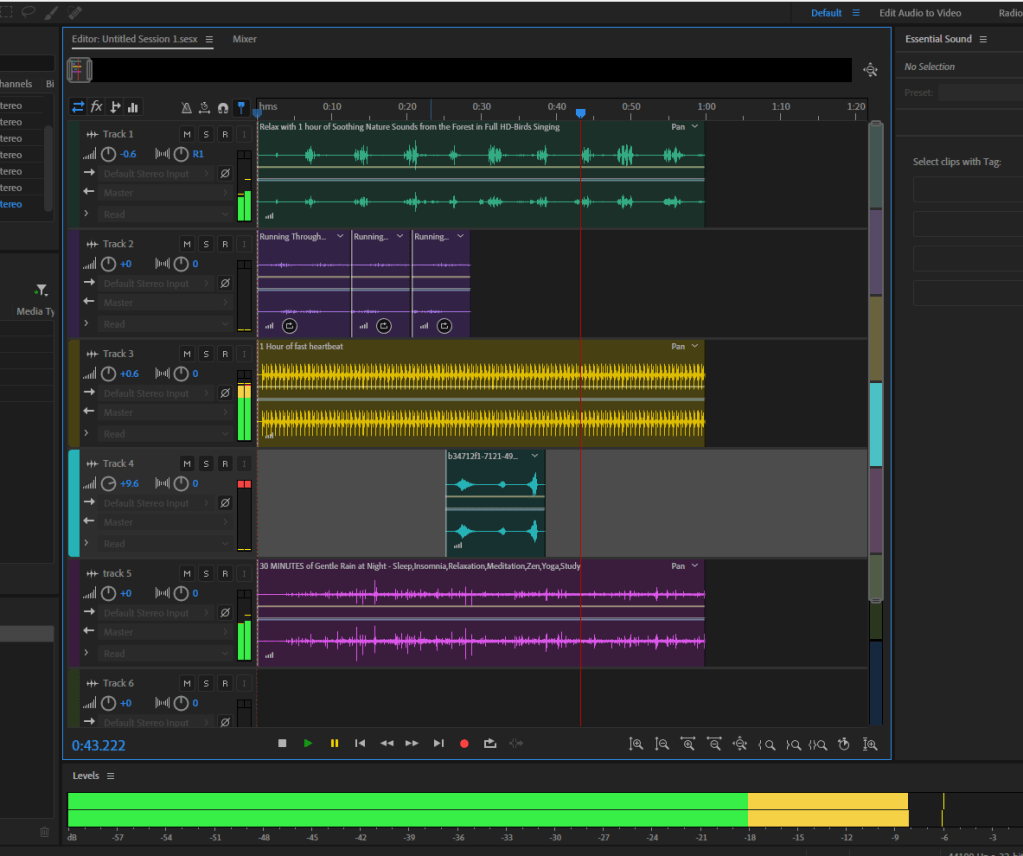
tools i used in adobe audition:
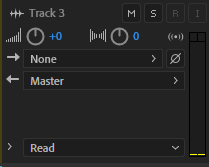
M stands for mute
S stands for solo
R means recording
I means monitor input
the small boxes are the fade in or fade out, for the recording
how to export the recording is by:
this is the razor selected clips tool
this tool can do other things such as a new file, a new CD layout and also a new multitrack session
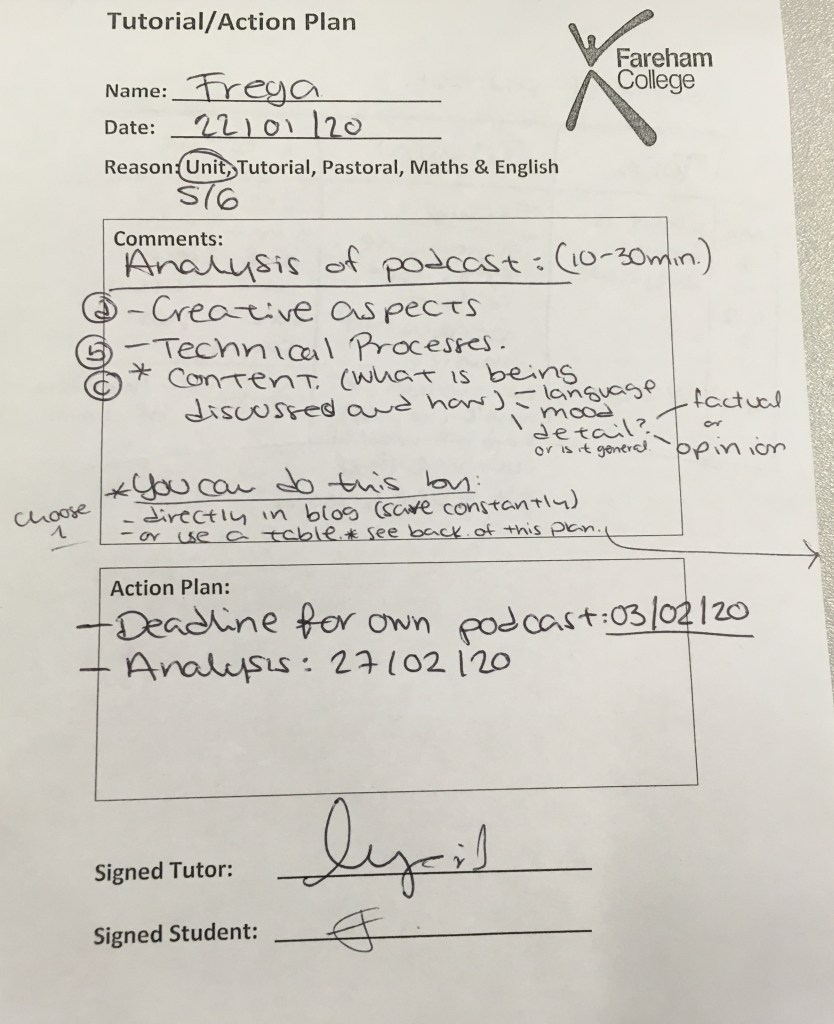
The topic being discussed is about Social Anxiety and the tips on how to deal with it. This was 1 person’s opinion on how to deal with Social Anxiety, the mood of it was calm, relaxing and giving a positive vibe and mindset to it. The podcast felt aimed at girls only, and didn’t mention that boys have the same struggles. If she had been chatting with a man about it, it would’ve of been better and all genders would listen to it. Its a series full of other episodes, with once a week.
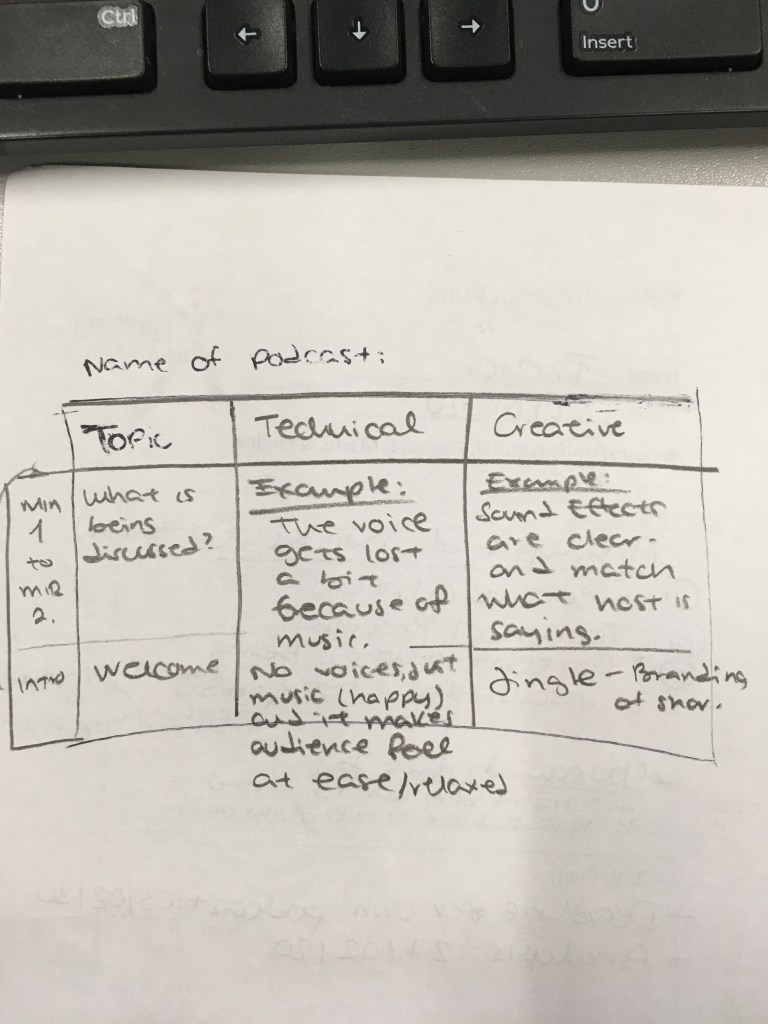
Technical:
Voice:
Its clear
Speaks fast
Words were too long and complicated for teens
The presenter made 6 points but had no gap between them
Lasted 17 mins a good length
Creative:
Jingle– Branding of their show, with the guitar sound and her voice
Intro– Nice calming acoustic guitar music, advertising her website and the reviews she had, by introducing her own experience with Social Anxiety.
Outro– Nice calming music again and a link to her social media and registering up for her 1:1 sessions.
Could’ve of used some of the music in between the tips, but there was nothing to separate them.
Open up to someone slowly, or write a letter to your future self
Talk about feelings
Ask for help
Care for each other
How common is Mental Health in the UK?
Mental Health in the UK affects 1 in 4 people each year, and about 1 in 6 people report experiencing a Mental Health problem such as Anxiety or Depression in any given week.
In 2016 5.9 out of 100 people were diagnosed with Generalised Anxiety Disorder, 3.3 out of 100 people with depression. OCD with 1.3 out of 100, the Panic Disorder with 0.6 out of 100 people and PTSD with 4.4 out of 100 people, all from England.
How can I find help, if myself is out of control?
There are many websites for help and most websites have a line to call when people are in need of help. Here are a few websites:
youngminds.org.uk their phone number is: 0808 802 5544
I have picked 4 questions and researched them all, as I think it will be enough although I have loads of questions I thought of if I need more answers from different questions.
Foley Sounds Inspiration for Podcasts:
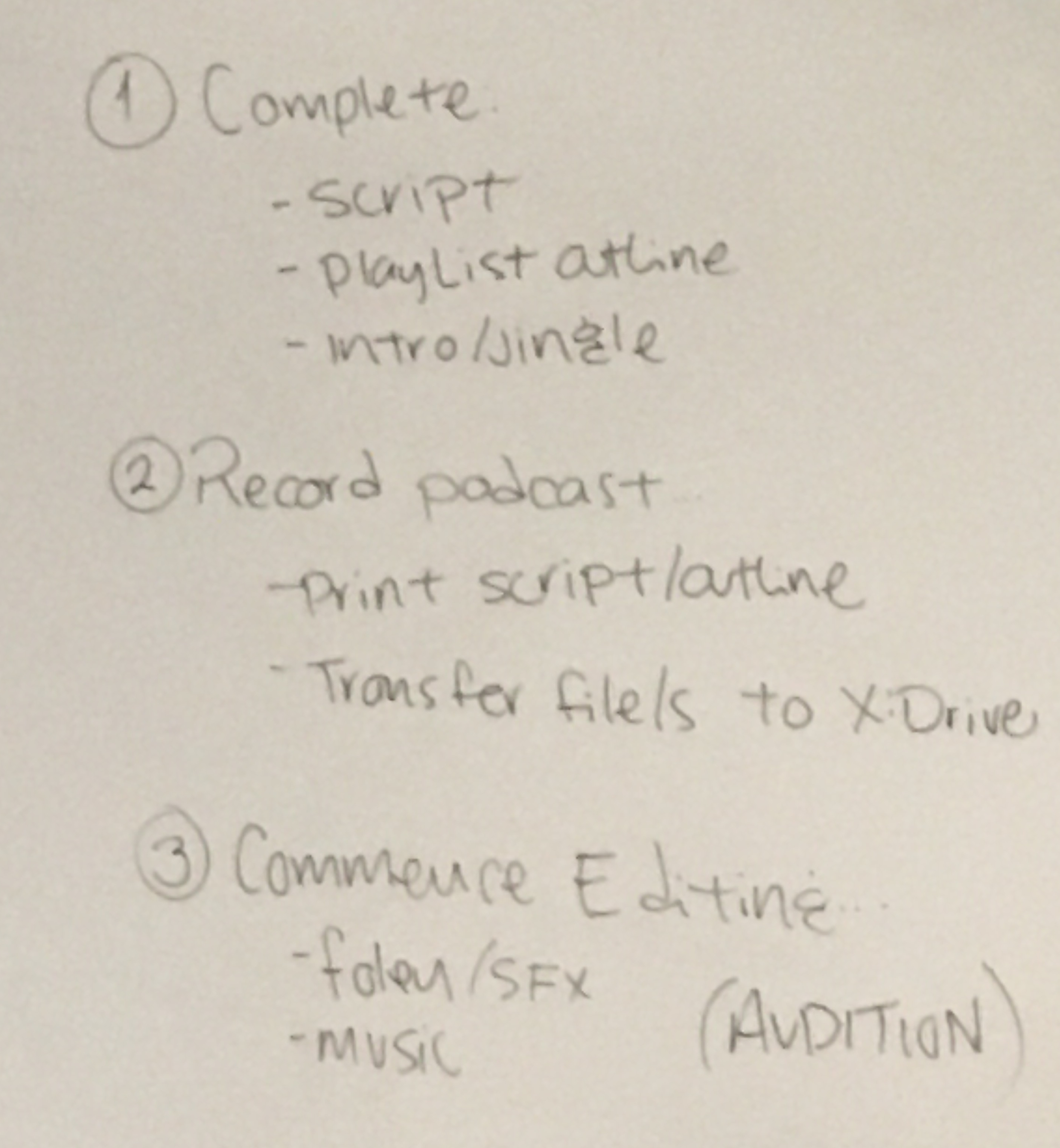
Our plan for how it will turn out:
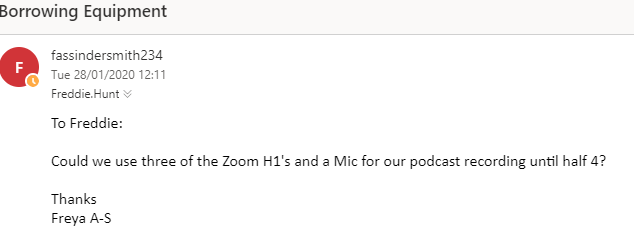
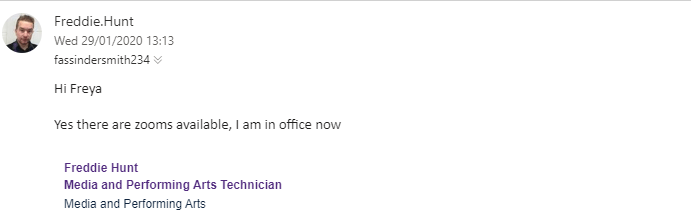
asking for the equipment we need for the podcast recording:
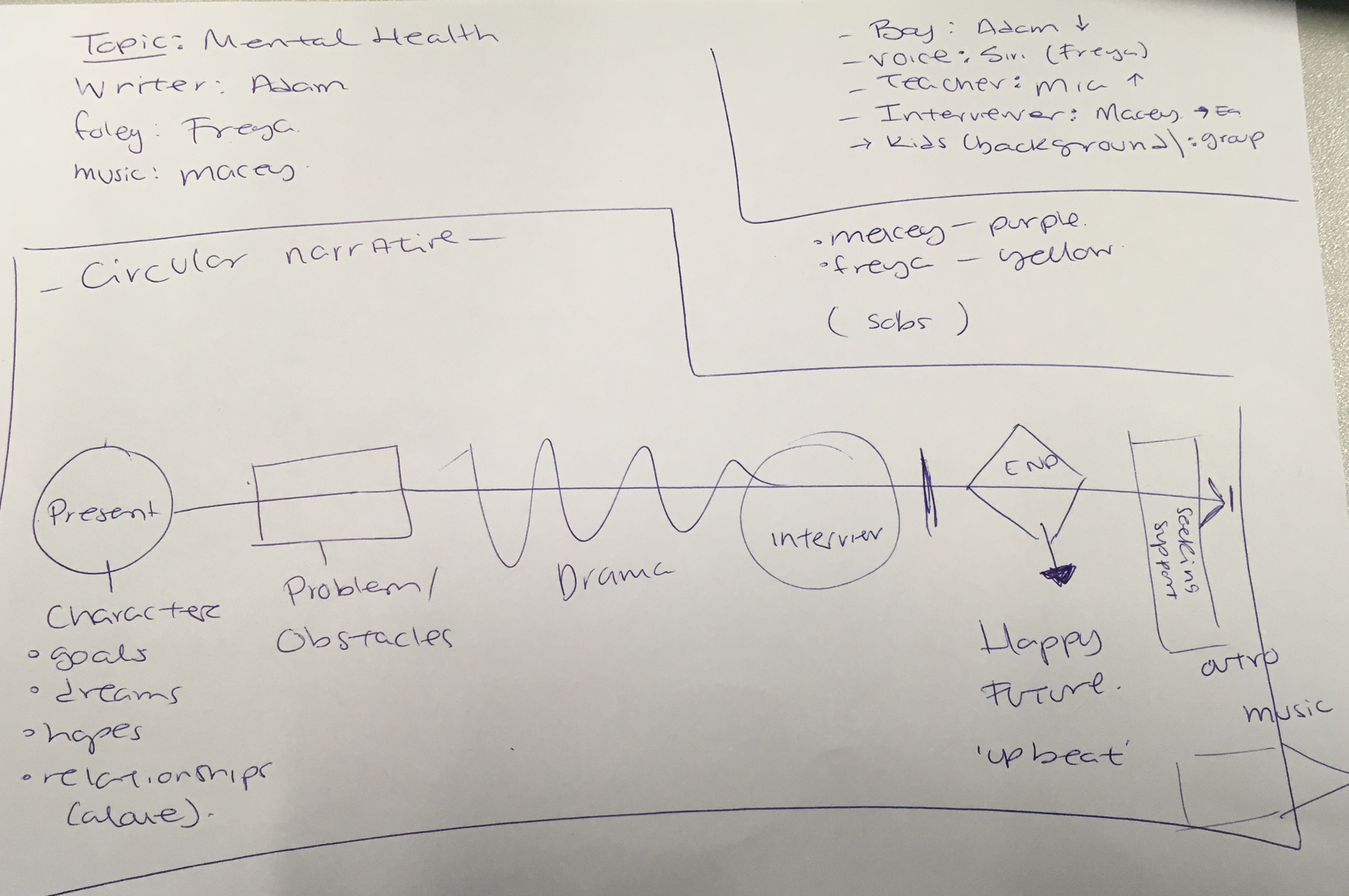
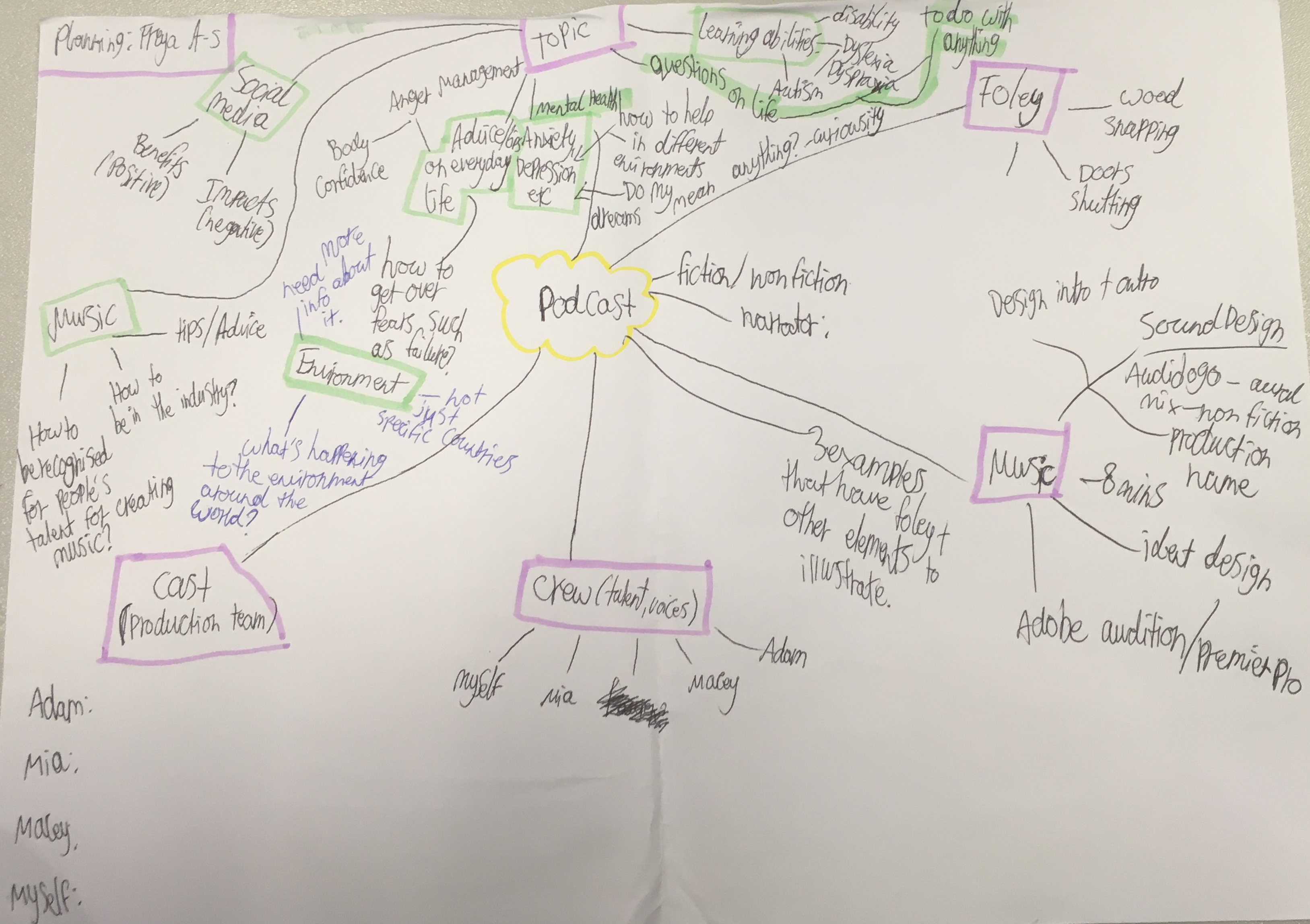
My mind map, a few weeks back for planning on what to do for our Podcast:
Research this list below and organise it in chronological order from the oldest to the most modernand you can add more
Technology supports development of the creative processes, therefore knowing the history and the evolution of the science behind it,is very important. These are some of the examples:
Edison- added sound to his photos
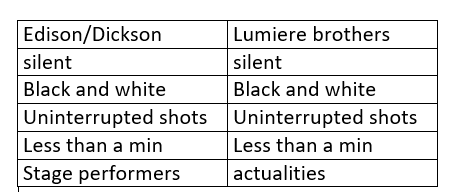
Thomas Alva Edison invented the photograph in 1877 and was the most entertainment device of the century which it became popular very quickly. Edison demanded his assistant (Dickson)to invent a motion picture camera in 1888. Dickson combined 2 essentials of motion picture recording and viewing technology.
Edison got Dickson to design a new device called the kinetoscope, the Edison company got their own studio called the kinetograph studio where they built a single room building called the Black Maria.
Here is a photo of Edison:
Here is a photo of Dickson:
camera invented in 1800, photographs were vingl
The first camera was invented in 1816, by multiple people in history. the image was made from Joseph Nicephore Niepce.
Moving Pictures:
How were moving pictures made?
A motion picture is a series of pictures projected on a screen in fast sequence with objects shown in positions slightly changed, so it produces a optical effect of a continuous picture when the objects move.
A motion picture has 3 parts which are:
A series of pictures
Projected on a screen
Creating the illusion of a moving picture
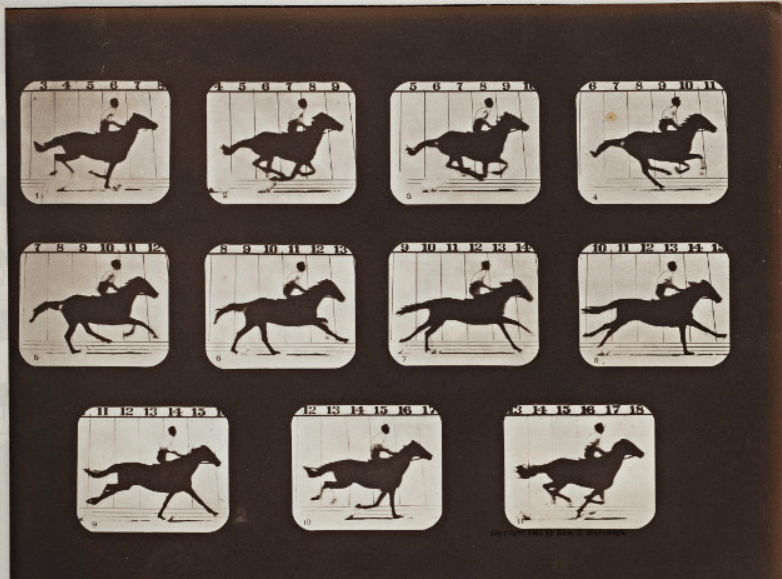
On 19th June 1878 a man called Edward Muybridge had changed everything because Edward had took a series of photographs of a horse using 12 cameras. He reaslised as the horse galloped , it tripped on a series of wires, which triggered each camera to take the photo.
The images were then copied onto plates and animated by projecting them, using his invention the Zoopraxiscope. It is the oldest motion picture made with multiple cameras.
This is a video with more facts about Moving Pictures:
Black Maria
What is the Black Maria?
The Black Maria was a cinematographic theatre was the first film studio built in 1893 in New Jersey, in the grounds of Edison’s laboratories. they were making film strips for kinetescope.
The building had a removable roof, was covered with tar paper and it was rotated on a track to capture sunlight, this was where lab assistants filmed short movies for Edison’s kinetscope motion picture viewer. The movies were filmed there for 10 years until 1903 it was torn down. They also built a stage out of wood planks and tar paper, the strange building looked like a police wagon or a hearse.
Here is a photo of what it looks like:
Lumiere bros
Who are the Lumiere brothers?
The brothers were french inventors and pioneer manufacturers of photographic equipment who designed an early motion picture camera and projector called the cinematographe. Their names were Auguste and Louis.
Their camera was a portable box and was light enough for one person to carry, the camera was operated by hand work, so it didn’t have any electrical power it used the same 35 millimetre film as Edison’s kinetograph. When the Lumiere device was developed it was rearranging into a projection machine.
When there was a bright light source the images could be projected onto the wall or screen. The Lumiere brothers wanted to call their invention the cinematographe meaning in English writing with movement.
The brothers screened a series of 10 short films and changed the world forever on December 28th 1895 in Paris.
Here is a photo of their camera:
Here is a photo of the brothers:
Mass Screenings
Radio waves travel far
Electromagnetic waves (Frequency) – units of measure (Hertz)
When was the first Radio station?
On November the 2nd 1920 in Pennsylvania the station KDKA made the nations first commercial broadcast, they received their first license and went on air. As the first US licensed commercial broadcasting radio station. They started broadcasting daily by 1921,the first British station offered 2 daily half an hour programs of talk, and music in 1919-1920.
In 1923 these following countries had radio stations: Italy,Germany, Spain, Czechoslovakia, Belgium, China, then in 1925 more radio stations across the globe were happening such as: Japan, Mexico, Poland and Norway.










 My Audio & Video Blog