Sound Department:
- Sound Person
- Offset Monitoring and Sound Operating and some of the editing
Boom Operator: body mics is capturing the actors voice
Location Sound Operator : recording ambience sound
Wild Sound: a wild sound is a soundtrack recorded other than synchronised with a photo and having sound effects or random dialogue
Room Tone: room tone is when there’s barely audible noises that make up a background sense of quiet
Sound Effect(SFX): sounds other than speech or music that adds excitement and realism
OP: Operator
Utility Sound Technician:
- Equipment Maintenance
- Mic Placement
- Cable Management
- Keeping people quiet
- Operating the Boom
Microphones:
there’s a windscreen
Dead Cat

Dead Kittens

Microphone Patterns:
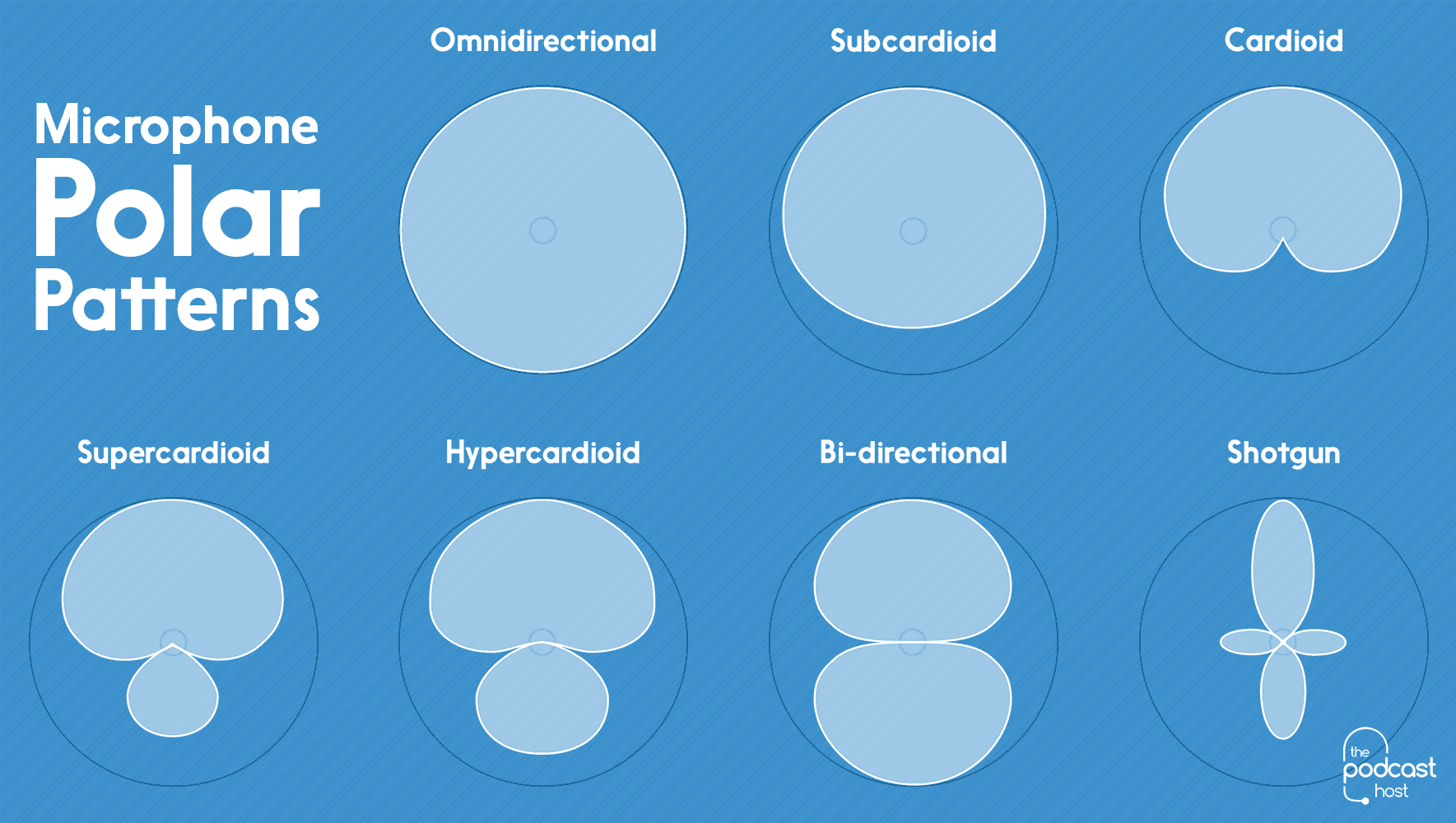
Have to change mics from scenes and on set only want to hear between 2 people.
The purpose of having good sound is to make the audience feel like they are there, create realistic environments where the story happens. It helps the message in product to be well understood and finally keep the audience engaged and entertained.
Post Production: Before editing anything is sync the sound with the footage during production, must use a clapper board.
To help keep track of media, the scene, shot and take number written on the slate for the camera to see and are called out for the microphone to hear. Make the audio levels spike.
Time Code Sync: Sync is a Gen lock is a beat that calls out when a field occurs, a time code indexes each frame so that it can be identified.
Dialogue Editors: They are a sound editor who synchronises, assembles and edits all the dialogue in a film/television production. They will use the production tracks that the sound was recorded on set. And to repeat the sound to make sure its good.
Sound Designers/Foley Artists
The sound designers create a space that seems real as if you are there, the sound designers will give you a mood or audience. It is very detailed but yet don’t realise, want to make something appealing. Music is the last thing before putting into post production.
ADR: Automated Dialogue Replacement Is the audio originally recorded is not good so retaking a part of the audio.
Equipment:
Types of Microphone:
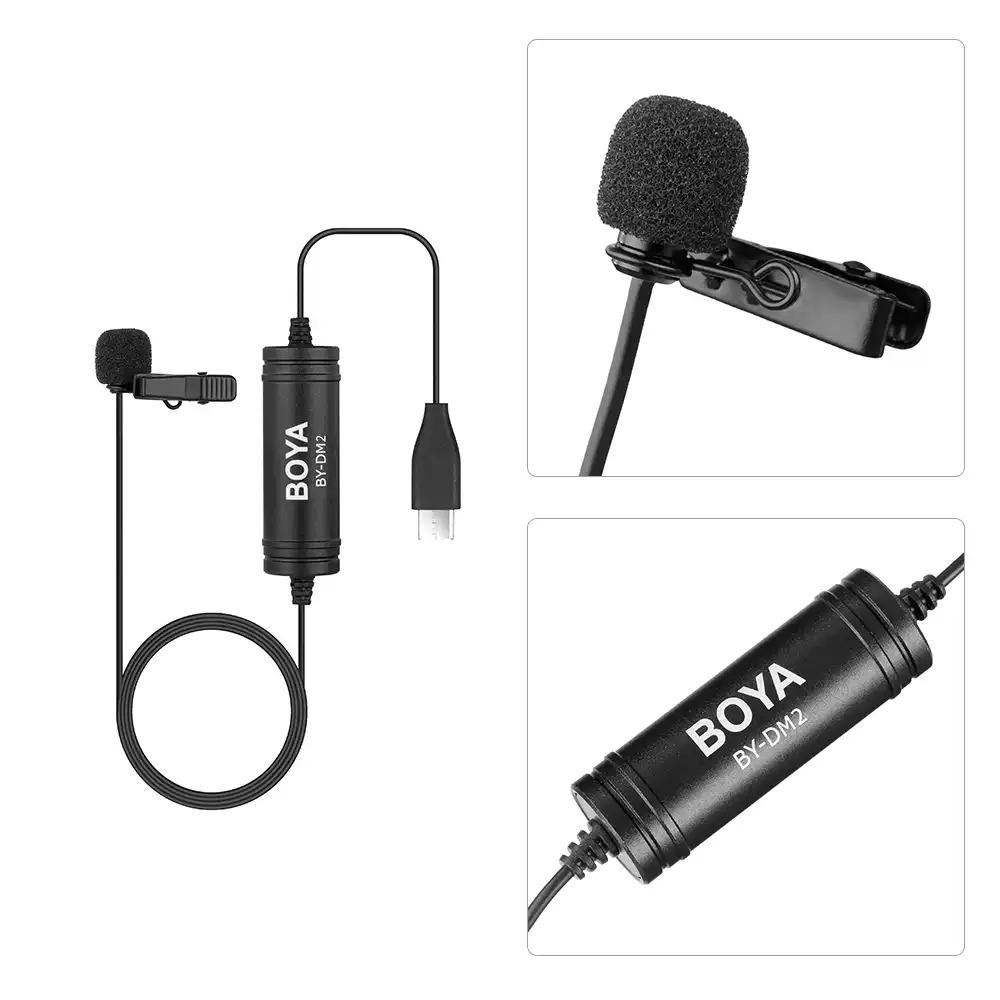
- Lavaliere
Uses: In interviews, because they focus on the voice of the speaker and limit the ambient sound. Also be used for short films due to the clear vocals/ chest that are needed. With this type of microphone we need to be careful with the surrounding areas where it rests; this can be anatomical or costume based. Items around the neck and on the chest may interfere with the sound being picked up by the Lavaliere.
- Zoom H1
Interviews, 2 people talk at the same time,and is a sound/ voice recorder that allows us to capture sound/audio from a conversation/interview. This device is helpful in podcasts and Foley sound. If you see the mesh of the microphone= doing it correctly. It has to be facing a little bit downwards and is handheld. Cables and devices to be hidden from the camera so its the responsibility for the crew, specially in short films. The cable must be hidden under the clothes but get them to do it themselves or ask for their consent. Works with common headphones and microphones. 3.5 Jack:

Mini Jack may have 1/2/3 lines for audio. 1= mono, 2= stereo, 3=digital

- Zoom H4
The Zoom H4 is more than twice than, as expensive as the Zoom H1. Hold with the fingertips.

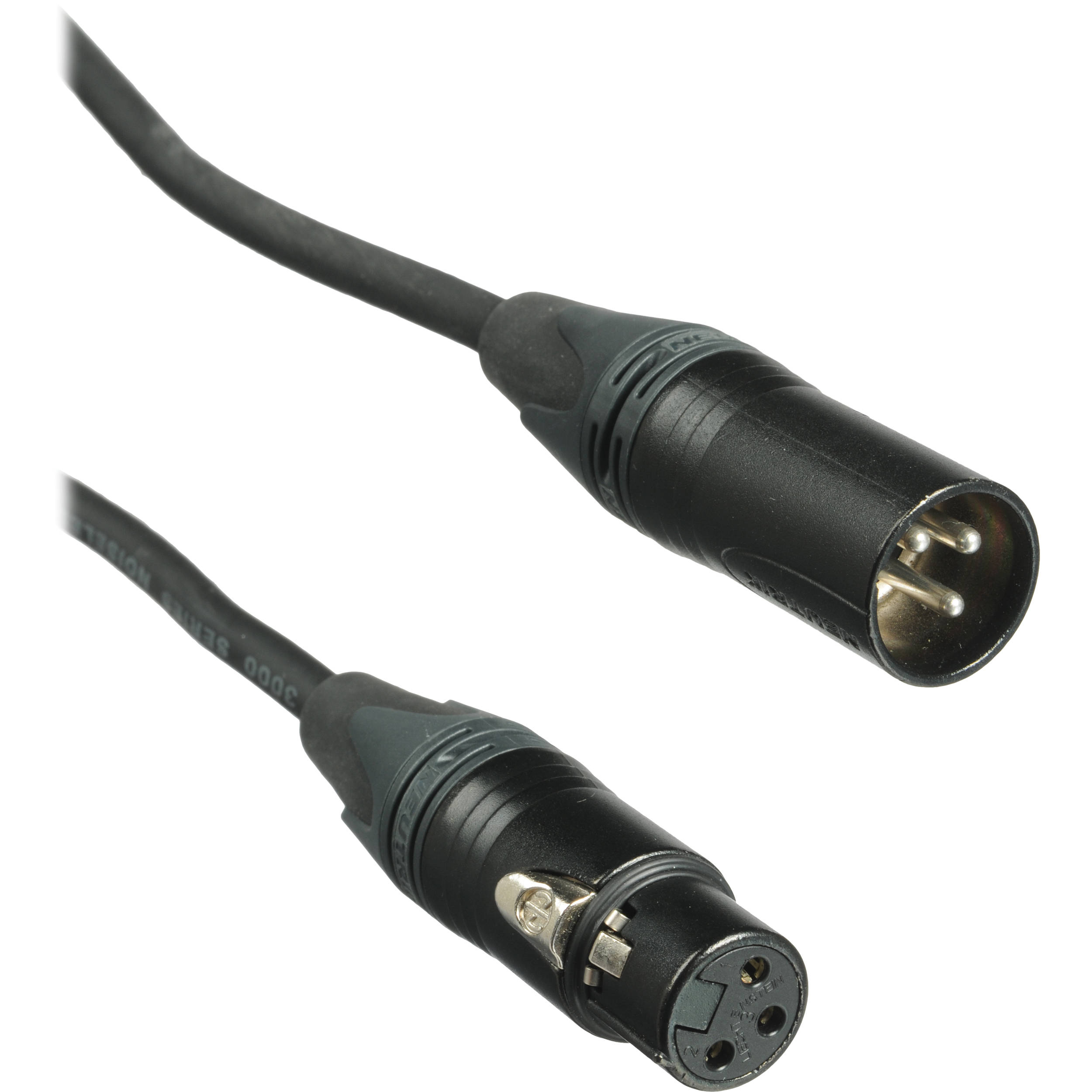
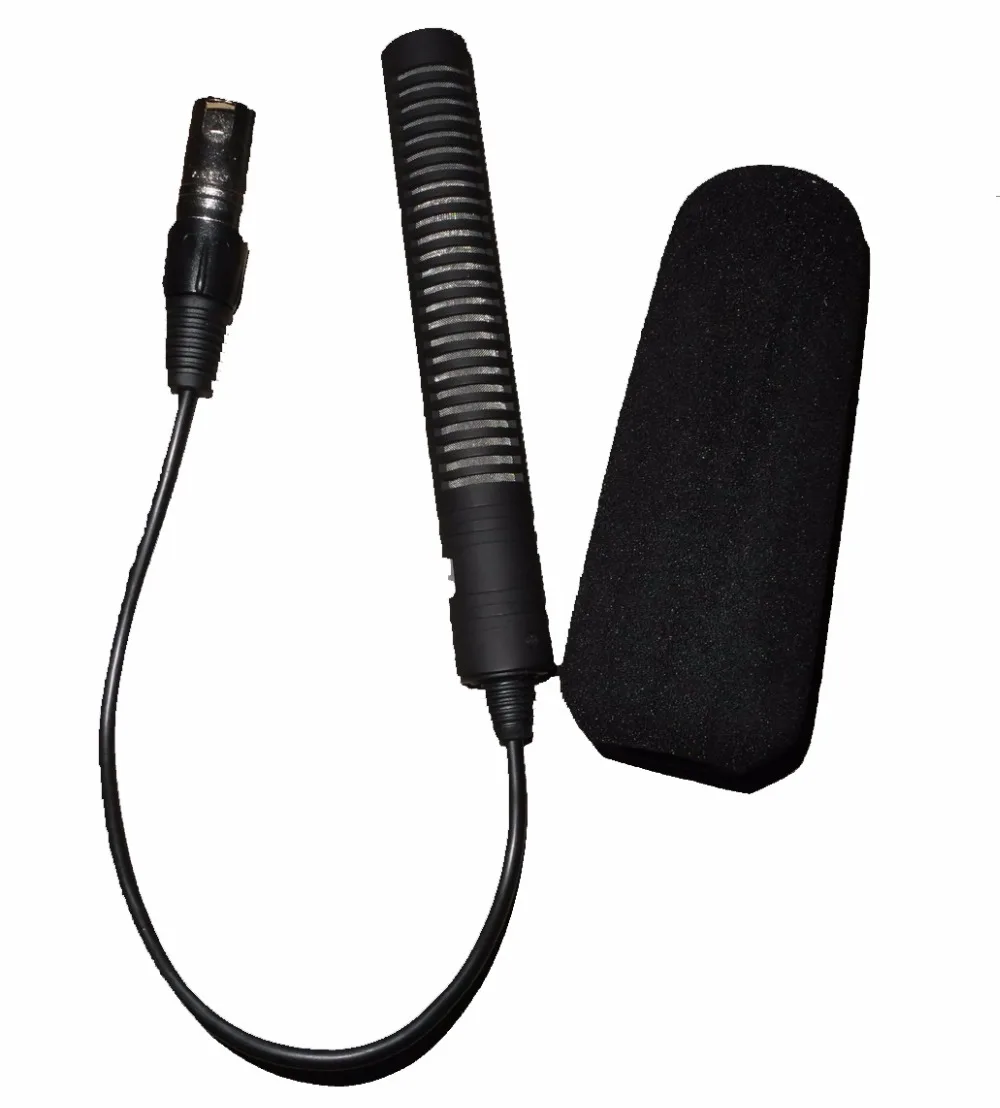
- Shotgun Microphone XLR:
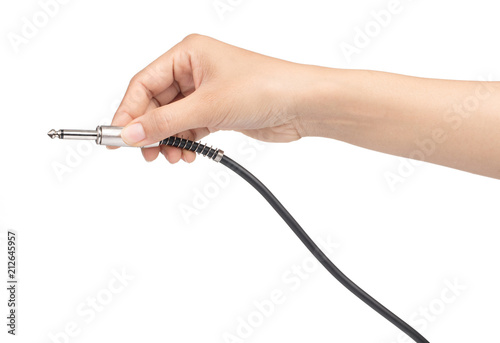
- Jack Connection:
Things we recorded from the team:
- Radiator
- Crisp packet
- Security beep thing off door
- A jacket zip
- The door opening
- Printer draw opening and closing
- A chair scraping
- Nails on the table
- The vent
- The lift door
 My Audio & Video Blog